

Author: Dietitian Riya Arora (B.Sc., M.Sc. Food & Nutrition, DE, Functional Nutritionist)
Are you a woman going through excessive sweating and hot flashes with menstrual problems in your late 40s or 50s? Then this is the last stage of your monthly cycle. But early menopause got you wondering, and you are happy about it?
Let me address the unresolved stage of menopause for you:
Health is complete wellbeing of a human. So can we question that we neglect the later aging process by saying it is biological and suffer down being unaware or overlooked. Is comfortably ending stage of aging not in our priority list besides enjoying other processes of life?
Focusing the content to an ultimate end of monthly bleeding, the reproductive period of life, which is part of aging of a 45 to 55 years aged woman. Unsettling situation for a woman who is not even conscious enough of what her body is trying to communicate with her if uneducated about menopausal transition.
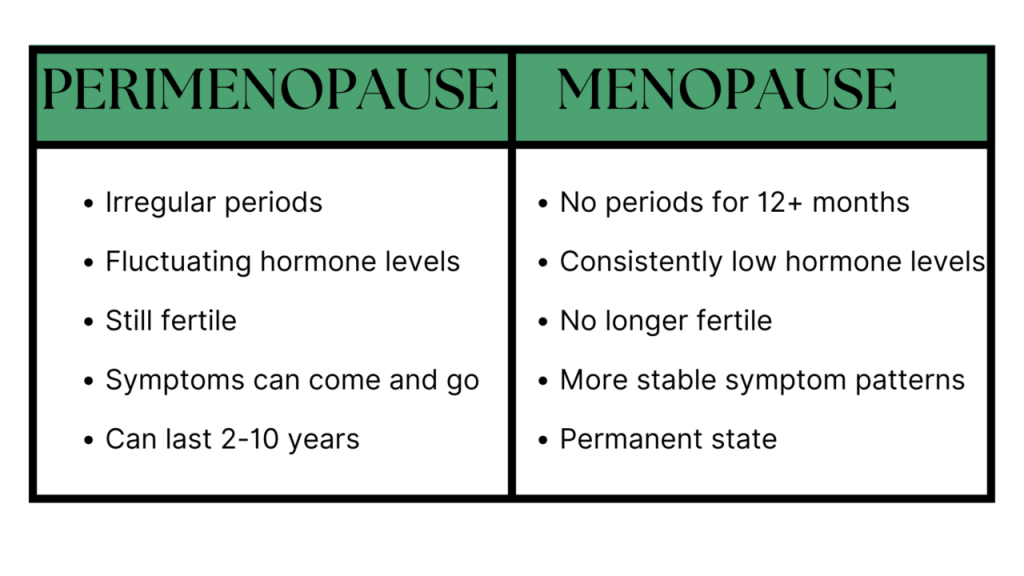
The perimenopausal period, when the symptoms starts by irregular periods. From mild to severe the symptoms can occur depending on person to person.
Can we control the severity of the problems occurring?
The answer to it depends upon your prior health, reproductive history, lifestyle and environment. We can say by this that menopause is the obvious part of later stage of life but how it will be managed will depend on the early years of a female’s life.
Maintaining well-being during the transition is vital with balancing other stages of life to prepare your body and mind for this ultimate stage of infertility.
The factors influencing the complete wellbeing are physical, emotional, mental & social.
Let’s talk about each of them and how to maintain to have a beautiful menopausal transition.
Physical factor:
What are the symptoms?
Various symptoms include:
- Irregular menstrual cycle, amenorrhoea (absence of menstruation)
- Unbalanced body’s internal thermostat: Hot flashes, extreme sweating
- Sleep disturbances & insomnia
- Vaginal dryness or atrophy
- Fatigue and restlessness
- Sexual health and intimacy issues: Pain and uncomfortable during sex or decreased libido
- Bone Health: brittle bones, joint pain, bone thinning, osteoporosis, lower bone density. Other: Skin dry, hair loss
- Bladder issue: urge to pass urine
- Body composition affected: weight gain, causing obesity
- Week pelvic organ prolapse
- Internal: Loss of ovarian follicular function and a decline in circulating blood oestrogen levels.
- Cardiovascular diseases
12 months of absence of periods and tests like Follicle-Stimulating Hormone (FSH) Test, Estradiol (Estrogen) Test, Luteinising Hormone (LH) Test, Anti-Müllerian Hormone (AMH) Test, etc. indicate your current condition and confirm menopause. If you have the reports and want help to understand the report, then consult now. Book your appointment here- Select a Date & Time – Calendly
How can we reduce/maintain symptoms during the perimenopausal period?
- Nutrition Role:
- Most effective method is to have a balanced diet: Diet therapy by your dietitian can make balance out your symptoms.
- To reduce body weight, understanding the energy requirement, including the basal metabolic rate, is a determining factor.
- Fluid intake
- Key preventive nutrients in menopause such as vitamin D, calcium, vitamin C, B vitamins, and protein intake.
- Having the right type and proportion of food is utmost important.
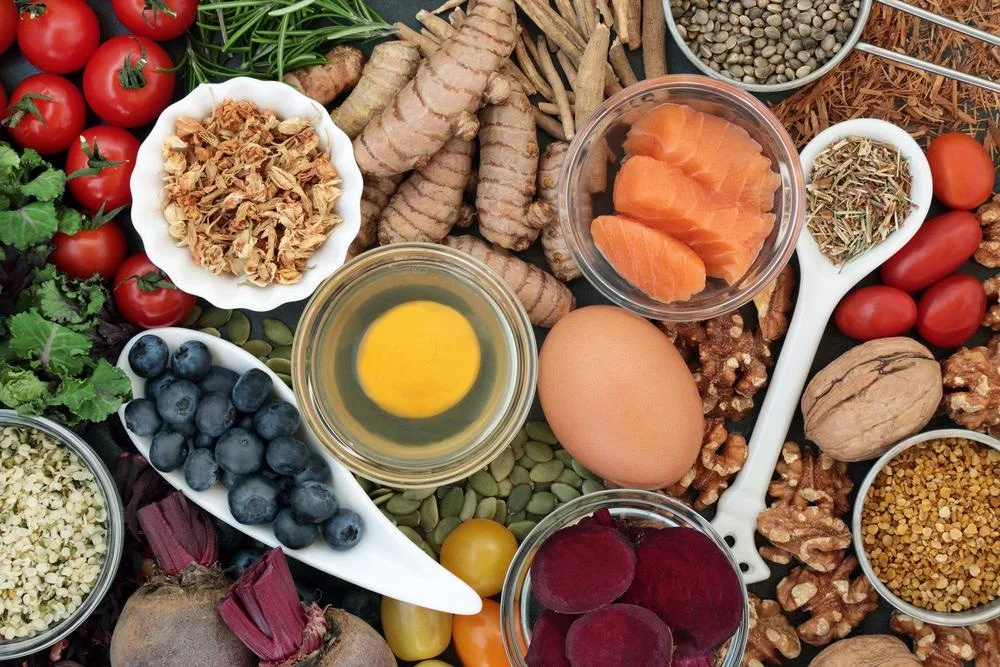
- Incorporating foods rich in phytoestrogens like lentils, chickpeas, other legumes, tofu, flax seeds, sesame seeds and various beans
- Functional foods can be introduced like Ashvgandha, Shatavari etc.
Detailed information on Food groups to promote in diet are:
- Fruits like berries, citrus fruits, apples pears, etc, to promote antioxidants, fibre, vitamin C & flavonoids.
- Vegetables: Like green leafy vegetables & colourful.
- Milk: Low fat or fat free dairy, low lactose dairy or lactose free dairy. Plant based milk alternatives like soya milk, almond milk, oats milk, macadamia nut milk, rice milk etc.
- Meat: Whole egg, lean meat and meat products & fatty fish like salmon and sardines.
- Fats: cold pressed oils like flaxseeds, walnut, sunflower oil and evening prime rose oil for its high content of gamma-linolenic acid (GLA), an essential fatty acid.
- Cereals: whole grains & encouraged, like ragi, foxtail millet, brown rice, oats, whole wheat etc.
- Pulses: Whole pulses overall.
- Oilseeds: Flaxseeds, sesame seeds, soaked dry fruits like almonds, cashews etc.
Role of Phytoestrogens-
Phytoestrogens are plant compounds that mimic estrogen in the body. They may alleviate menopausal symptoms. Key types include:
- Isoflavones (found in soy and lentils)
- Lignans (found in flaxseeds and sesame seeds)
- Coumestans (found in sprouts and beans)
These compounds may offer benefits like:
- It helps alleviate common menopausal symptoms.
- Work as an alternative to hormone replacement therapy
- Help in reducing LDL/Bad cholesterol
- Improve sleep and cognitive functions
- Improve insulin sensitivity and glucose metabolism, potentially benefiting individuals with type 2 diabetes.
Consult your dietitian to understand what suits you.
Detailed information on Food groups to avoid in the diet are:
- Milk & products: In certain cases of lactose intolerance or due to hormones in dairy & saturated fat, as per the woman’s condition, milk and milk products are avoided.
- Cereals: Avoid refined cereals like maida, sooji, white breads, refined made pasta, commercial breakfast cereals like cornflakes, etc & moderate intake of refined rice with less fibre.
- Soya beans are a controversial food, so before making a decision, consult your dietitian to understand what your body needs based on lab reports and symptoms. To consult, click here. Select a Date & Time – Calendly
- Processed foods like maggie, & added sugars.
- Unhealthy fats: Avoid trans fats mainly and saturated fat like butter, vanaspati, ghee, etc.
- Hygiene role: Be it any situation, this plays one of the most important roles and sometimes is not taken seriously.
- Oral hygiene: Regular brushing, flossing & rinsing of mouth after meals, consider fluoride toothpaste and mouthwash, consulting a dentist in case of any issues
- Intimate Hygiene: avoid douching, use cotton undergarments, consider vaginal moisturiser & lubricants.
- Social factor: • A safe and secure environment. • Family support and especially partner if married, to avoid extra stress. • Availability of gynaecologist and, dietitian to help with the issues. • Have someone to share your problems with, be it family or friends
- Physical Activity: • Staying physically active helps in the reduction or maintenance of all diseases that comes with menopausal transition like obesity, diabetes, heart diseases, bones issues etc. • Suggestion to avoid sedentary lifestyle and doing brisk walk for 4-5 days a week for 45 minutes on and off as per the suggestion to maintain or reduce weight.

Embracing menopause with confidence is what I want you to inculcate, so begin with informed choices. Prioritize your overall well-being – body, mind, and spirit. Click here. and unlock a smoother transition. Select a Date & Time – Calendly
I hope you understood this blog!
Follow us on Instagram to stay updated with more nutritional content & daily information.
@Nutrisoulbyriya (Instagram)
NutriSoul | Top dietitian of Delhi Riya Arora
For booking an online consultation- Select a Date & Time – Calendly
Call on 9971454857
For offline appointments-
- AB-206 FF Shalimar Bagh New Delhi, 110088
- 33, GF Engineers Enclave Pitampura Delhi 110034
Recent Comments