
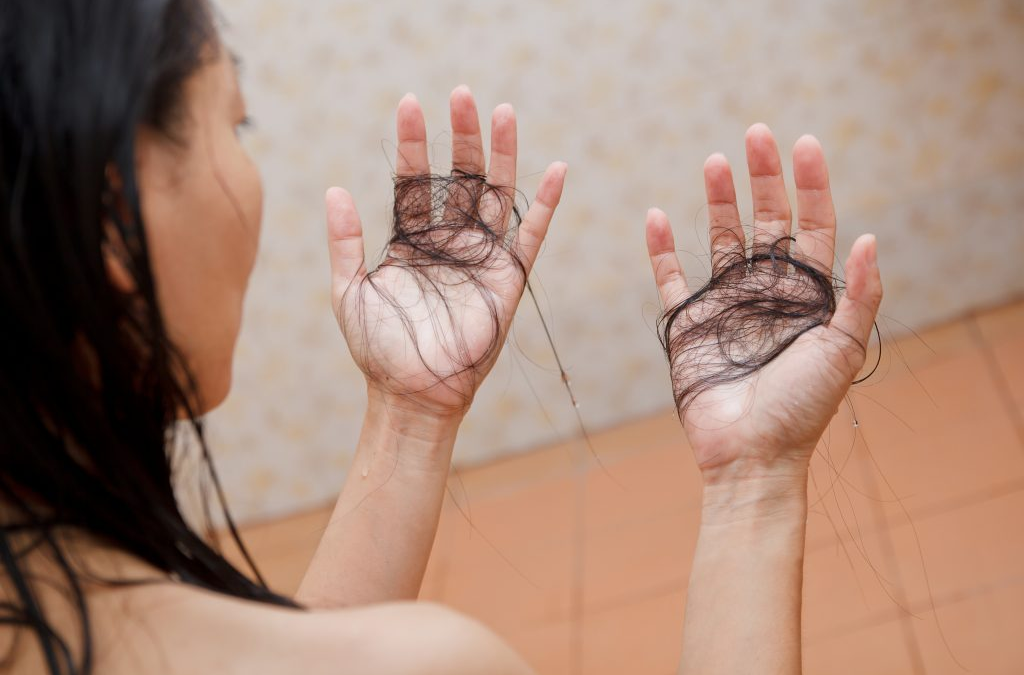
Hair fall can be overwhelming, especially when you see strands all over the floor, on your pillow, or tangled in your comb, making washing your hair feel daunting.
As a qualified dietitian and nutritionist, I can assure you that hair fall can stem from various causes. Once we pinpoint the exact root cause, we can manage it effectively with the right treatment. Let’s delve deeper into this.
CAUSES–
- PCOS/PCOD (Polycystic Ovarian Syndrome/Disease): This common condition in women is marked by features like insulin resistance, anovulation, and ovarian cysts. It often comes with symptoms such as hair fall, alopecia, amenorrhea, facial hair, male-pattern baldness, skin issues, and mood swings.
- Hypothyroidism/Hashimoto’s: This condition is characterized by the improper release and formation of thyroid hormones, often due to a deficiency of iodine, selenium, protein, and other essential nutrients. It results in the thyroid gland producing insufficient T3 and T4 hormones.
- Vitamin B12 & Vitamin D Deficiency: Both of these vitamins are crucial for follicle development and hair growth. A deficiency in Vitamin D or B12 can lead to significant hair fall.
- Protein Deficiency: Protein, particularly keratin, is vital for hair growth. A lack of sufficient protein in the diet can result in hair loss.
- Genetic Factors: Genetics can also play a significant role in hair fall, contributing to conditions like androgenetic alopecia.
- Seasonal Changes: Hair fall is often more pronounced during certain seasons, particularly during the monsoon.
- Understanding the root cause of hair fall is essential for effective management and treatment.
TREATMENT-
- For managing extreme hair fall, it’s crucial to start by getting blood work done to identify any deficiencies in key minerals and vitamins, such as iron, folic acid, pyridoxine, vitamin D, vitamin A, selenium, vitamin B12, and others.
- If deficiencies are found, incorporating a well-balanced diet rich in fruits and vegetables is essential to meet the daily nutrient requirements. In cases of inositol deficiency, which is common in PCOS and linked to hair loss, it’s important to include foods like whole grains, beans, citrus fruits (e.g., oranges and limes), and non-vegetarian sources such as liver, eggs, and organ meats.
- Additionally, certain natural remedies can support hair health:
- Coconut Milk Massage: Massaging the scalp with coconut milk has been shown to stimulate hair growth.
- Rosemary Oil Application: Applying rosemary oil to the scalp can help stimulate hair follicles, improving hair strength and resilience.
- These steps, combined with addressing any underlying nutritional deficiencies, can significantly contribute to managing and reducing hair fall.
FOODS TO ADD IN DIET-
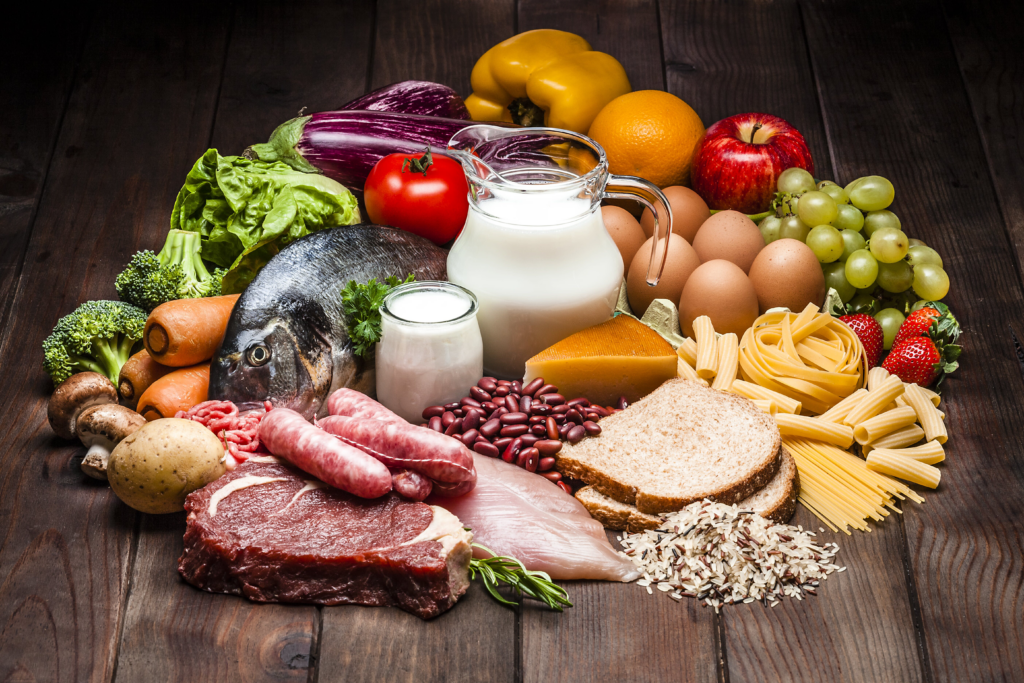
- Whole grains like jowar, bajra, amaranth, quinoa etc.
- Pulses like rajma, chickpea/chole, lobia, deals etc.
- Citrus fruits like oranges, mausambi, limes etc.
- Nuts & seeds like almonds, walnuts, sesame seeds, chia seeds, flaxseeds etc.
- Protein sources like paneer, dairy (milk, curd), eggs, meat etc.
FOODS TO AVOID-
- Alcohol
- Smoking/tobacco use
- Sugar in all forms
- Excessive fat/oil consumption
- Excessive consumption of bakery products
- Junk foods and packaged foods
TAKEAWAY
Hope this was informative for you & I shall connect with you on my next blog. Till then, have a happy & healthy week 🙂
TO BOOK A CONSULTATION- https://wa.link/dkj607
Recent Comments